Youth in Juba Celebrate how to Read, Write, and Do Math

For many young people in South Sudan, the path to education has been interrupted by conflict, poverty, or family responsibilities. When the doors to EDC’s Juba Learning Lab reopened in May 2025, it offered hope for thirty youth and their families.
EDC, building on the foundations of the USAID-funded Youth Empowerment Activity, launched a six-month literacy and numeracy training program for out-of-school youth. With limited resources, EDC retained a small, dedicated team to bring learning directly to young people who had been waiting years for another chance.
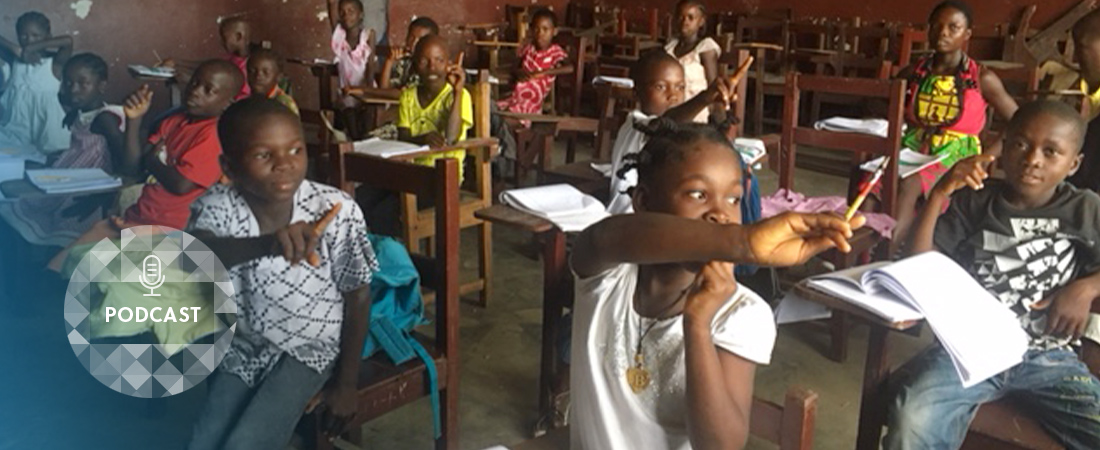
Four days a week, for three hours each day, the learners practiced reading, writing, and basic arithmetic. The lessons were interactive, combining audio instruction, practical exercises, and a token incentive system that encouraged attendance and steady progress. The classroom became a community of encouragement, resilience, and shared growth.
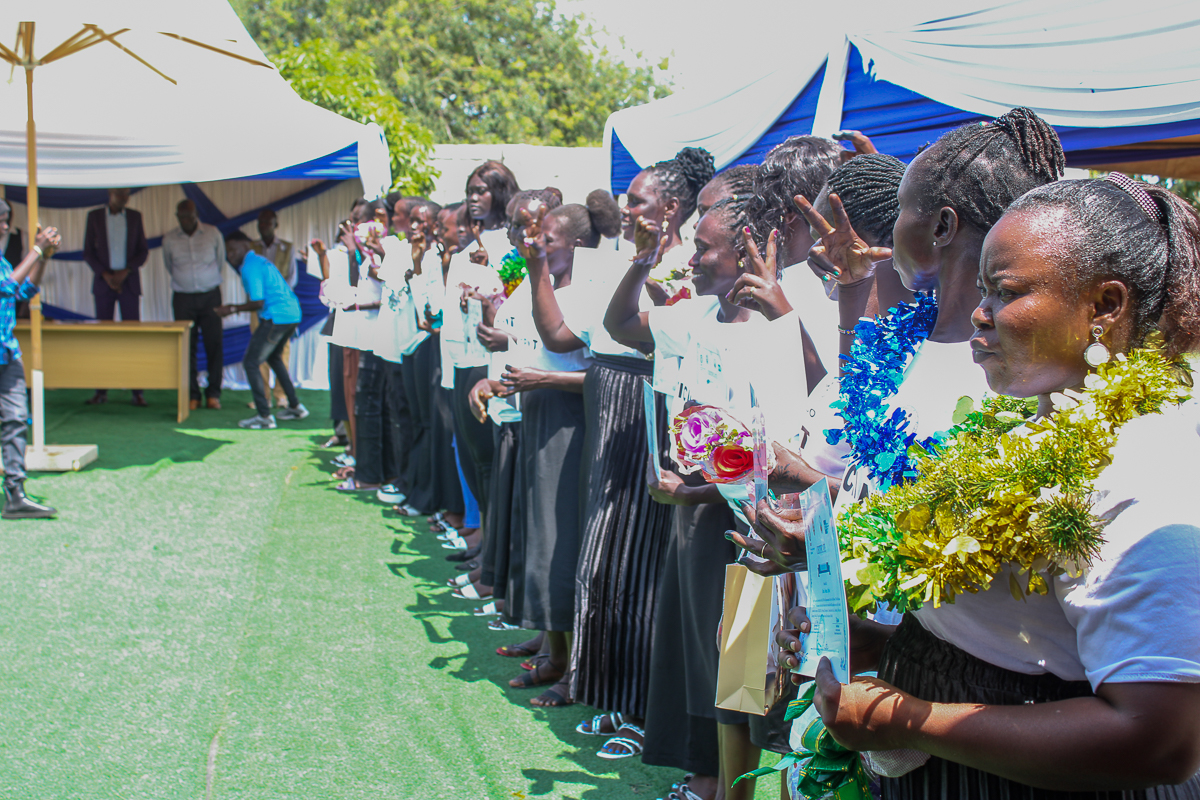
On October 31, those students graduated after completing six months of intensive study. The graduation ceremony brought together government officials, civil society leaders, parents, and community members who came to witness the achievements of the young learners.
Daniel Danis, EDC’s Country Representative in South Sudan, reflected on the journey: “With limited capacity, we continued to provide training to young people who were sitting idly in the community, restoring their hope for better education. Today’s graduation reaffirms EDC’s history of lasting impact in teacher training, civic engagement, and youth empowerment in South Sudan.”
Eighteen-year-old Rodah Keji Lotabo had been out of school for four years. Her family could no longer afford school fees, and she feared marriage would be her only future. But on graduation day, she stood proudly with her certificate in hand.
“I feel great today because it is a dream come true. I want to become an accountant.”
Through EDC’s accelerated lessons, Rodah gained the confidence and skills she needs to return to school.
“I have learned a lot in this training. Now I am ready to join Primary Six and continue with my studies because I know how to read and write.”
The impact of the training extended far beyond the classroom. 13-year-old Sarah Keji, who was fond of practicing from home using EDC-provided learner self-study books, began helping her family and community who could not read.
“I can now read and write and help people who don’t know how to read and write. I interpret English messages for my parents. Education is key, and I feel lucky to have gotten this free opportunity.”
Another graduate, Destimon Buli, became a role model in his neighborhood.
“My peers now look up to me because I can speak English. They want the same chance to improve their lives. Even at work, I communicate better with my customers.”
The program also introduced youth to leadership opportunities through EDC’s Youth Corps Service Model, encouraging positive behavior change, community service, and active participation in civic and social life.
Among the guests at the graduation was Samuel Dem, Director General of Alternative Education Systems. He affirmed the importance of the training program:
“This project gave young people the skills to become responsible citizens. It shows it is better to teach someone to catch a fish than to give one.”
EDC Education Specialist Simon Buony encouraged the graduates to continue pursuing education and peace:
“Pick up a pen, not a gun, to transform your life.”
Government representatives encouraged EDC to continue working closely with national systems to scale similar opportunities for more youth across the country.
Too many young people across South Sudan still lack access to education and meaningful livelihoods. But the graduation at the Juba Learning Lab shows what is possible: when given a chance, young people are ready to learn, lead and build.