For press inquiries, please contact media@edc.org.
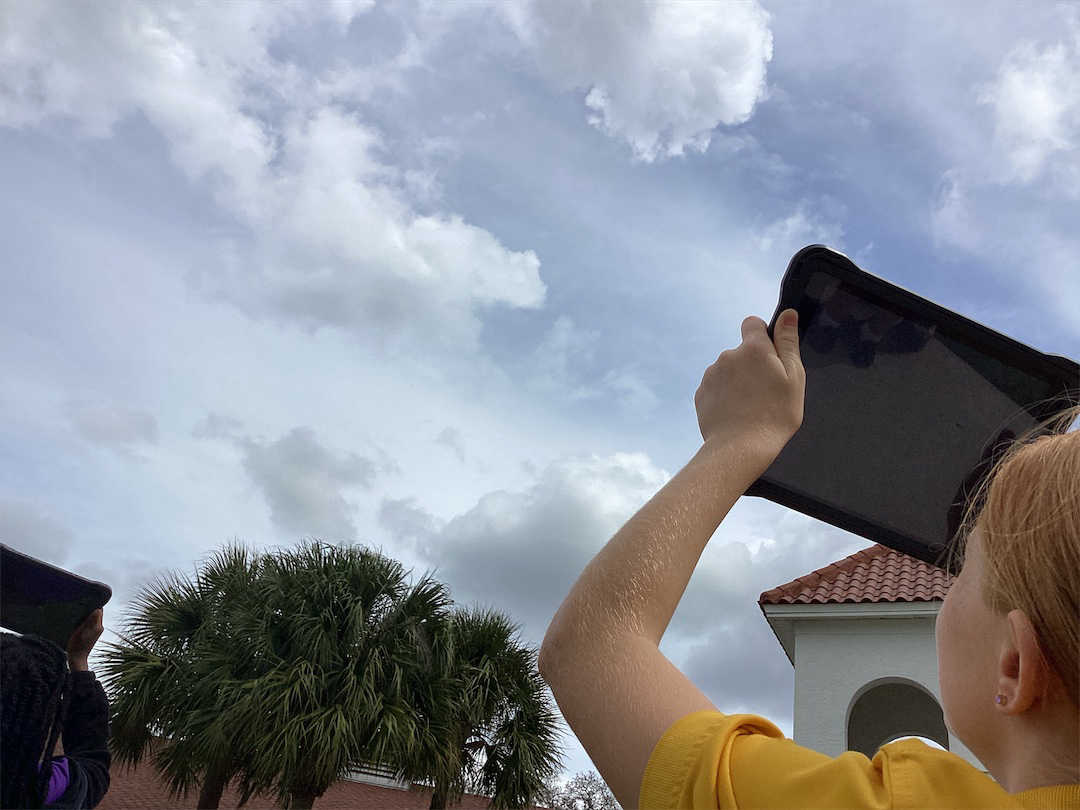
EDC's Rebecca Lewis discusses an effort to encourage people to use the GLOBE Observer app to photograph clouds as NASA’s PACE satellite passes overhead. The effort allows people to contribute to science while helping researchers compare what the satellite is capturing to what is seen on the ground.
In this article on AI and literacy, Kirsten Peterson explains why technology can strengthen but not substitute the thinking that literacy requires.
EDC's Katari Coleman and Heidi Rosenberg weigh in on the costs and benefits of different types of childcare programs, including extended day options and babysitters.
The effort in New Hampshire to reintroduce play into kindergarten classrooms is the focus of a new report by the Regional Educational Laboratory Northeast & Islands at EDC. EDC's Emily Braham discusses the report's findings in Education Week.
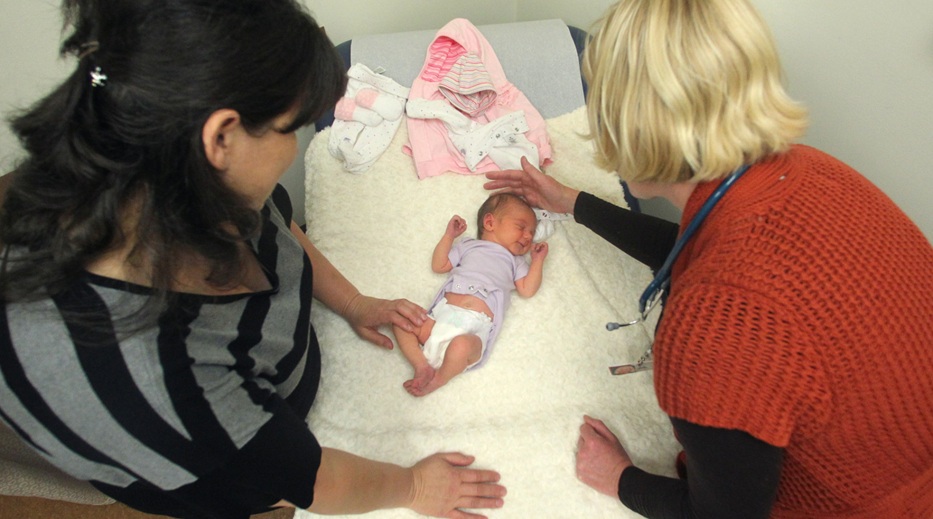
In The Hill, EDC’s Zhandra Levesque examines what happens after families leave the hospital and why the new HRSA Home Visiting strategy matters for maternal and infant health from the earliest days of life and beyond. The op-ed was republished on the Washington Post’s Ripple website.
EDC's Naomi Hupert shares insights on the challenges schools face in selecting effective edtech tools.
Kids are using AI every day, often without supervision, guardrails or guidance. In an opinion piece, EDC's Sarah Sword and Shai Fuxman say that all adults have a role to play to make sure children and teens can safely and securely enjoy the benefits of this technology.
In an opinion piece, EDC Vice President Melanie Sany argues climate financing projects must consider not only infrastructure but also education and workforce systems in order to achieve a green economy.
Kids and families are navigating a flood of low-quality media and AI-generated "brainrot." EDC's Shelley Pasnik, an expert on children's media, spoke about the impact of funding cuts to trusted media sources like PBS Kids has on the content available to young people.
EDC Senior Research Scientist Naomi Hupert is quoted on the long-term effects of poor reading skills, and how parents can encourage reading activities with their kids.
EDC's Naomi Hupert and Andrés Henríquez published this opinion piece that argues the nation’s adolescent literacy gap stems from long-standing system failures—not the pandemic—and call for sustained investments in middle- and high-school reading supports.
EDC behavioral health expert Shai Fuxman defines what emotional intelligence is and describes why being able to regulate one’s own emotions and recognize social cues in others are such important skills for leaders and managers to have.
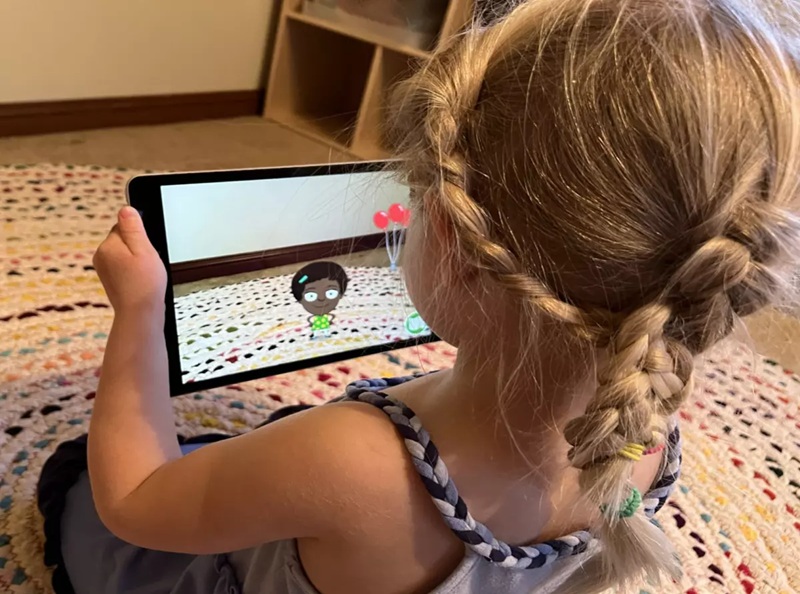
EDC’s Regan Vidiksis and Ashley Lewis Presser are interviewed about a new curriculum that uses augmented reality and hands-on play to help preschoolers build spatial thinking skills that are often missing in early math learning.
EDC’s Rebecca Lewis speaks about a new citizen science effort, NASA Response Mappers, and its potential for people to take action and support emergency response efforts before a storm even strikes.
A new study from EDC's Center for Children and Technology found that podcasts spark creative play, conversations, and learning opportunities among children. According to lead researcher Naomi Hupert, these benefits mean that podcasts offer a valuable alternative to screen time that supports child development and brings families together.
EDC’s Shelley Pasnik is interviewed about the proposed cuts to PBS and the negative impact this will have on early childhood education, particularly on the creation of digital media that is both entertaining and educational for children.
EDC’s Shelley Pasnik authored an op-ed on the educational benefits of the CPB-PBS Ready To Learn initiative and why defunding it reflects a broken promise to families across America. The initiative is behind popular kids programming such as Molly of Denali, Peg + Cat, and The Cat in the Hat Knows a Lot About That!—and it has shown consistent benefits for kids, educators, and families. The Washington Post’s Impromptu podcast recently cited Pasnik’s piece in an episode about the importance of public media.
EDC's Director of Global Health Alisha Keirstead spoke about how sudden funding cuts risk significant progress in countries where we work – like South Sudan, where thousands of young people were already developing the functional literacy, numeracy, entrepreneurship, and livelihood skills they need to build a bright future.
In an op-ed, EDC's Sarita Pillai and Andrés Henríquez warn that proposed cuts to key education programs will “weaken the foundation of our country's education system and workforce.” They call on policymakers to protect essential investments in K–12 education.
EDC’s Julie Goldstein Grumet, director of the Zero Suicide Institute, spoke with the Los Angeles Times about best practices for suicide prevention in healthcare settings, and explained why providers often uncomfortable asking about the mental health of their elderly patients.
We work with partners worldwide to advance every person’s journey to learn, work, and be well.