A New Approach to EdTech
New toolkit offers a human-centered, collaborative approach to sustainable innovation



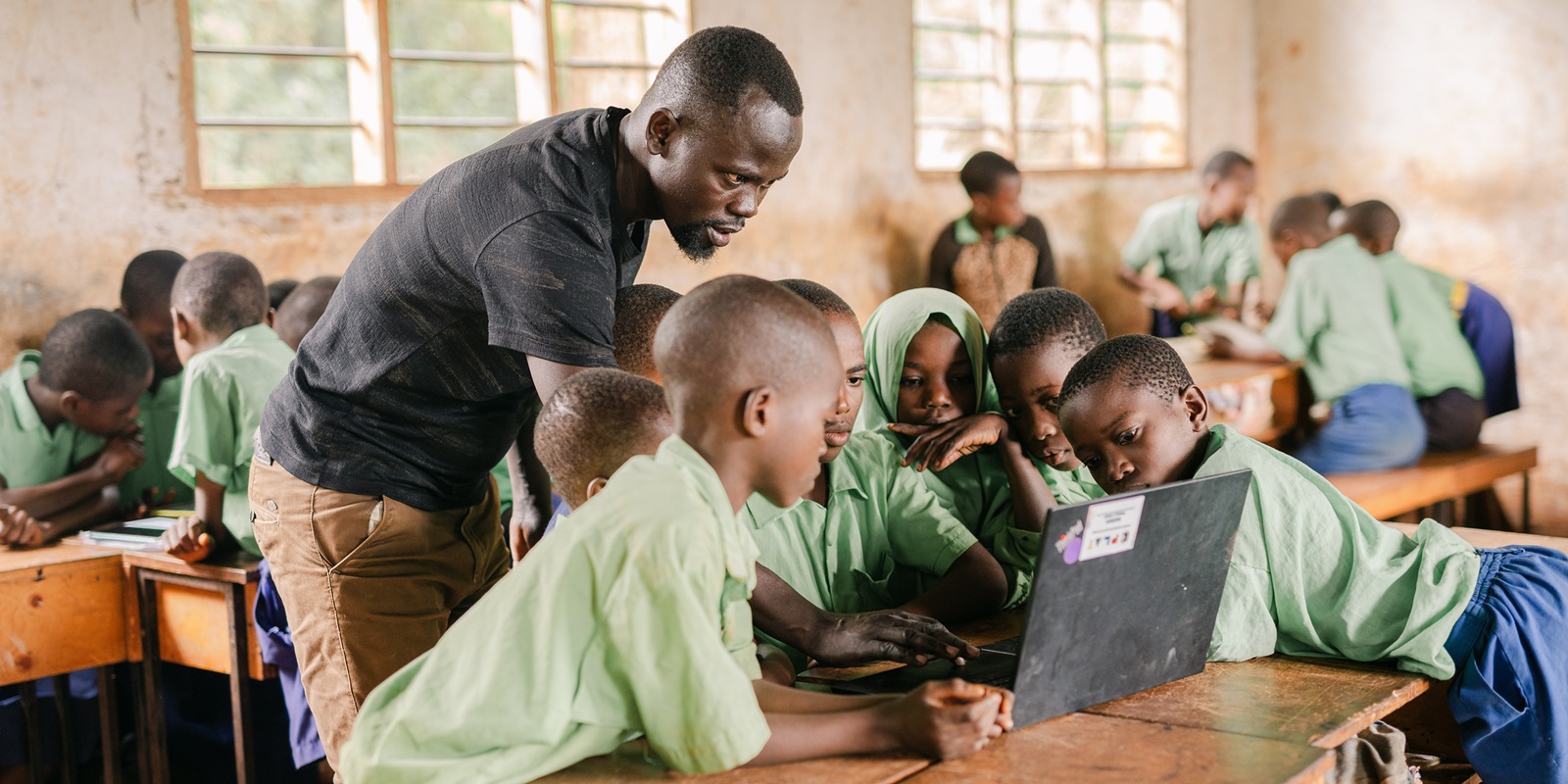
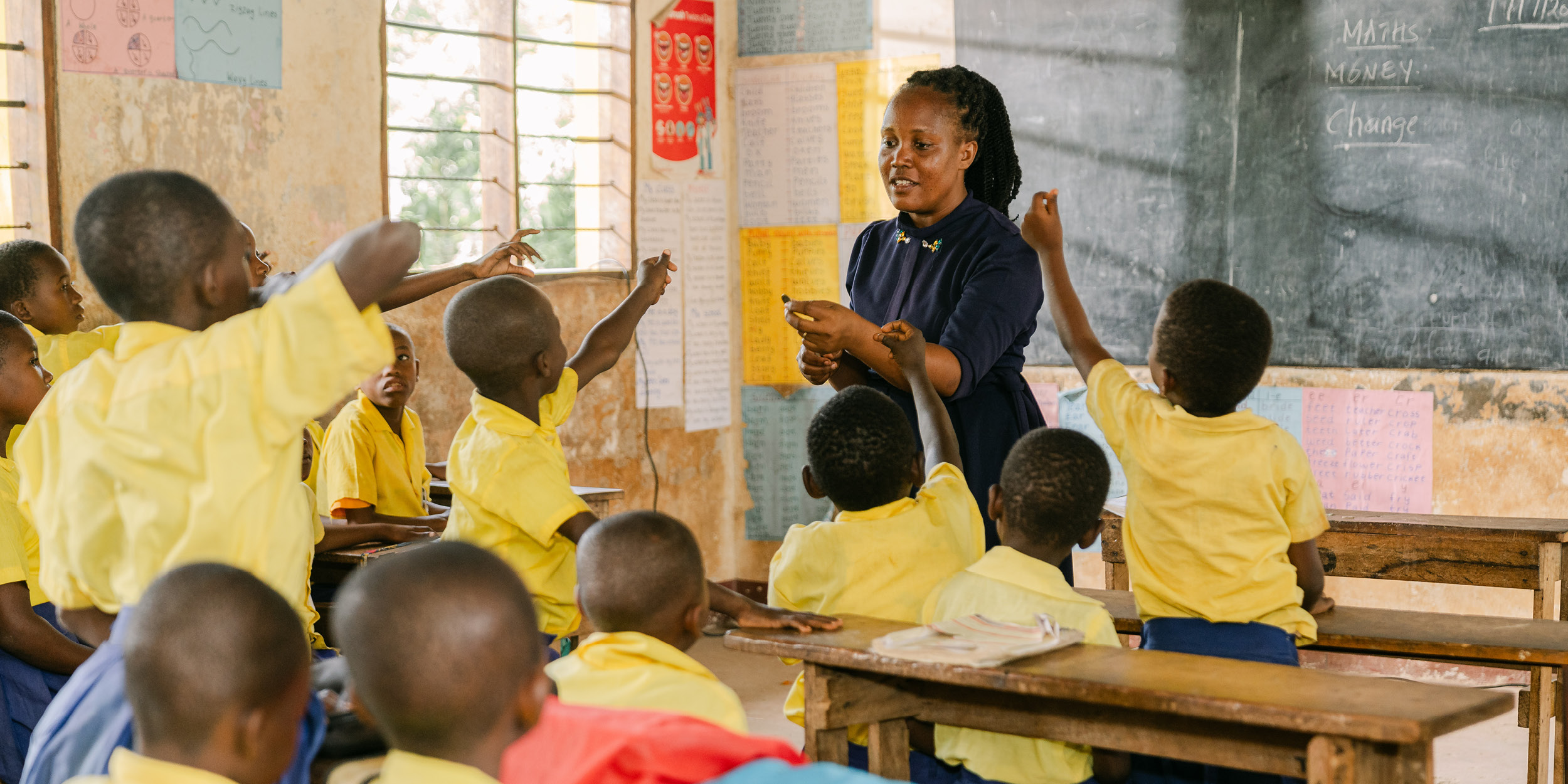
What happens when an edtech intervention is introduced into classrooms where teachers have little access to technology or experience using it? This question shaped the evolution of Kenya Play (KPLAY), part of the LEGO Foundation-funded Tech & Play initiative, and ultimately led to a rethinking of how sustainable edtech should be designed.
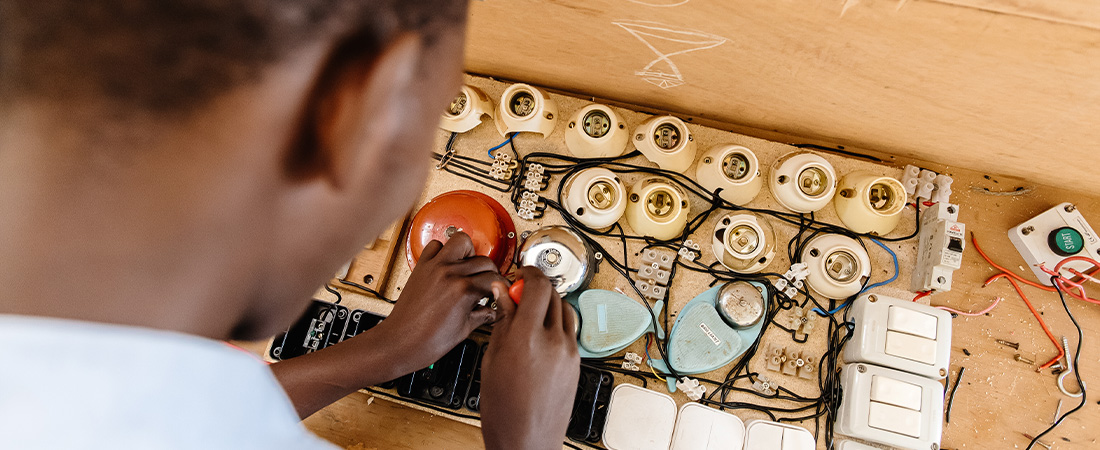
During the 2021 KPLAY pilot, teachers were trained to use coding and Scratch (a visual block-based coding platform) in the classroom. However, research found that about 90% of the teachers in the participating rural counties had minimal tech skills and were uncomfortable using computers. Most schools also lacked enough devices for meaningful student use.1 This initial experience highlighted a larger lesson: when an edtech initiative starts with the technology rather than the learning problem and the realities of classrooms, even a promising idea can quickly run into obstacles.
A key lesson we learned from five years of research on Tech & Play across all three contexts–Kenya, Rwanda, and Brazil–is that effective edtech design requires collaboration among stakeholders who bring different but complementary expertise and knowledge about learning, technology, and instructional contexts.2 Technical specialists, learning scientists, curriculum and professional development designers, and local educators rarely sit together in the same room, yet stronger solutions emerge when these perspectives work together from the beginning.
Many edtech initiatives prioritize speed, designing quickly and scaling early. Too often edtech programs take a sequential linear approach, starting with existing tech as the solution, developing curriculum, and only later incorporating teacher feedback and use during large-scale implementation. This rush to scale leads to costly misalignment, low uptake, and abandoned tech equipment when early untested assumptions do not hold true.
A more effective approach is to build collaboration into the design process from the start, combined with iterative cycles of testing, reflection, and refinement. This means starting small, taking time to develop a shared understanding of the problem, learning from early implementation, and scaling slowly so the approach can be sustained over time. It also requires flexibility from funders, who may need to shift from predefined solutions and expectations for rapid, large-scale rollout, to instead supporting a process that allows solutions to emerge over time in partnership with local stakeholders.
To help others take this approach, the Tech & Play Research Collaborative developed The Edtech Design Toolkit: A Human-Centered, Collaborative Approach to Sustainable Innovation. The toolkit translates lessons from research and practice into a practical process for designing edtech initiatives so that they are grounded in local contexts and set up for long-term success. It brings together design thinking, continuous improvement, systems change research, and implementation science to offer a process that is both creative and disciplined. It also builds on the expertise of our African colleagues in Rwanda (Three Stones International, TSI) and Kenya (Education Design Unlimited, EDU), and on their experience conducting edtech research and working closely with educators and system leaders.
The toolkit guides program design teams through a step-by-step process: engaging stakeholders, understanding local strengths and needs, defining the problem, generating and testing solutions, and planning for sustainable implementation. Each phase includes structured activities, detailed workshop facilitation guides, and tools to help partners share their unique perspectives, collaborate effectively, and make evidence-informed decisions. Teams can use the toolkit as a full design process or adapt selected phases and tools as needed to strengthen ongoing work.
More than a sequence of steps, the toolkit is a shared way of working. It helps partners build a deeper understanding of the systems in which the intervention will operate, clarify where technology can best add instructional value, and determine the supports required for success. It also provides structure for that collaboration, helping teams organize their work and connect insights across roles and expertise.
The toolkit reflects a set of shared values about how effective, sustainable edtech innovations are developed:
- Start with people, not products. Start by asking what students, teachers, and education systems need to improve learning, and then think about how edtech might help.
- Design for context. Grounding design in local realities helps teams create solutions that align with existing structures and can last over time.
- Collaborate at every stage of design. Strong solutions emerge when teachers, system leaders, and local and international technical experts design together, bringing different perspectives and expertise to a shared challenge.
- Build learning into every phase. Every phase of the process includes opportunities to reflect, test, and adapt. Regular cycles of learning lead to stronger, more sustainable results and strengthen the human resources available in country.
- Use technology to strengthen human connection. Technology should strengthen rather than erode human connections and teacher and learner agency.
The toolkit was also shaped through pilot testing with education stakeholders in Kenya. In a two-day workshop, county and national stakeholders, NGO leaders, and other education leaders worked through selected activities from the toolkit using realistic case scenarios focused on strengthening edtech solutions for foundational literacy and numeracy. Their feedback confirmed the value of a people-centered process that starts with stakeholder engagement, needs assessment, and problem definition before jumping to solutions. Participants especially appreciated the toolkit’s emphasis on prototyping and small-scale testing as a way to learn what is feasible and improve ideas before scaling. The pilot also identified areas for refinement that helped strengthen the final resource.
The work is already moving forward in Kenya. Education Design Unlimited is now working with five counties to use the toolkit to develop or revise their regional edtech plans. This next phase reflects one of the toolkit’s central ideas: stronger and more sustainable edtech initiatives emerge when local leaders are supported to shape the vision and priorities themselves.
This toolkit is meant to support better edtech design, but also a different way of working. By helping partners collaborate around local needs, test ideas before scaling, and build from existing strengths, it aims to shift more decision-making and design ownership to the people closest to implementation. That approach is what gives innovation the best chance to succeed.
Citations
1Education Design Unlimited. (2022). KPLAY Case Studies Report.
2Breslow, N., Silander, M., & Light, D. (2025). Lessons Learned from the Tech & Play Initiative: Insights to Inform Program Design and Implementation.
Bibliography
Chatterjee, J., Patil, L., Light, D., Pierson, E., & Momoh, L. (2014). Guiding Principles for the Design and Implementation of eLearning Initiatives: A Synthesis from Nine Implementations Worldwide. Intel.
Fabillar, E. & Wang, A. (2019). Building a Culture of Continuous Improvement: Guidebook and Toolkit. Education Development Center.
Fixsen, D. L., Naoom, S. F., Blase, K. A., Friedman, R. M., & Wallace, F. (2005). Implementation research: A synthesis of the literature. University of South Florida, Louis de la Parte Florida Mental Health Institute, National Implementation Research Network.
Light, D., & Pierson, E. (2016). Creating Better E-Learning Environments in Developing Countries: Looking at Experiences in Many Countries International Conference of Education, Research and Innovation (ICERI) 2016, Seville, Spain.
Metz, A., & Bartley, L. (2012). Active implementation frameworks for program success: How to use implementation science to improve outcomes for children. Zero to Three Journal, 34(4), 11-18.
Shakman, K., Bailey, J., & Breslow, N. (2017). A primer for continuous improvement in schools and districts.
Shakman, K., Wogan, D., Rodriguez, S., Jared, B., & Shaver, D. (2020). Continuous Improvement in Education: A Toolkit for Schools and Districts. Institute for Education Sciences