YouthLearn Africa: Building the Next Generation of Digital Changemakers in Uganda

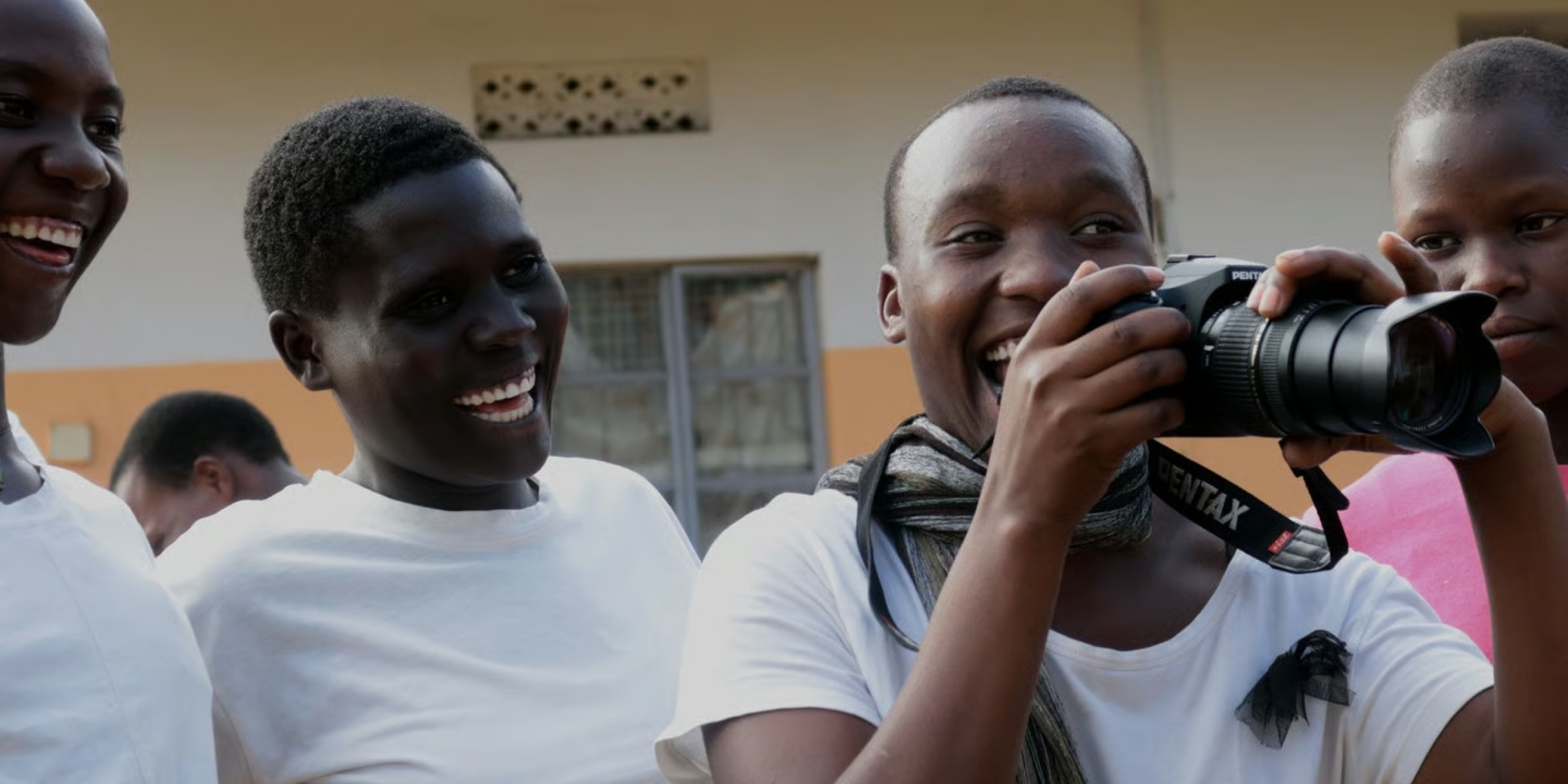
Across Uganda, young people are learning to do more than consume digital media—they’re learning to create it with purpose. Through YouthLearn Africa, a youth training and mentorship organization founded by Henry Sempangi Sanyulye, young people (12 to 24) are developing skills in photography, video production, audio storytelling, and communication while exploring issues that matter in their communities. Along the way, they’re building professional portfolios, strengthening their voices, and preparing for future careers and civic engagement. For Henry, the work is about helping young people move from passive consumers of content to active creators and changemakers. “Today, people no longer read the resume,” he explains. “They want to see what you have done.”
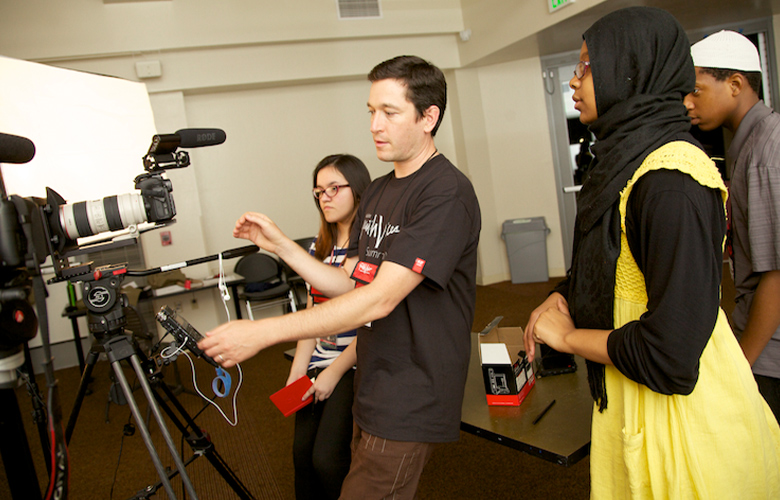
YouthLearn Africa’s story is deeply connected to EDC’s long-standing commitment to youth voice, creativity, and project-based learning. From 2006 to 2016, EDC led Adobe Youth Voices (AYV), Adobe’s global philanthropic initiative that helped educators around the world engage young people in media making, storytelling, and community action. Through AYV, educators learned how to use digital media as a tool for inquiry, self-expression, and positive change. Henry was among the educators trained through AYV in Uganda. The experience left a lasting impression.
Inspired by AYV’s focus on purposeful storytelling, youth leadership, and real-world learning, Henry continued applying those approaches long after the initiative ended. Today, YouthLearn Africa’s Digital Changemakers Program carries those same principles forward—equipping young people with digital skills while helping them tell stories that matter. EDC is proud to continue supporting YouthLearn Africa as it expands opportunities for youth across Uganda and beyond.
Preparing Youth for a Changing World
The need for this work has never been greater. Across Africa, youth unemployment remains a significant challenge. At the same time, rapid advances in technology and artificial intelligence are transforming the skills employers value. Young people are surrounded by digital tools and information, but many lack opportunities to develop the critical thinking, communication, and media literacy skills needed to navigate this landscape successfully.
YouthLearn Africa responds by combining technical training with mentorship and ethical storytelling practices. Participants learn how to create media, evaluate information critically, collaborate with others, and communicate effectively—skills that support both employment and civic participation. The goal isn’t simply to train content creators. It’s to help young people become confident communicators, problem-solvers, and contributors to their communities.
“Before joining YouthLearn Africa, I mostly used my device for research and listening to music. I joined because I wanted to learn how to use technology, and during the bootcamp I discovered that I could use it to create videos and tell stories about issues that matter…Now I want to use these skills to teach others, support a future business, and encourage other girls to know that technology is for everyone,” says program participant Mercy Leah Adong.
A key strength of YouthLearn Africa is its asset-based approach. Rather than focusing on what young people lack, the program starts with what they already bring: creativity, energy, curiosity, community knowledge, and lived experience. Participants explore local issues they care about and transform their ideas into meaningful media projects.
Youth stories often focus on topics such as employment, education, health, culture, resilience, and community solutions. Through exhibitions, screenings, and community showcases, young people share their work with authentic audiences and spark conversations about issues affecting their lives.
As participants move from concept to finished product, they develop critical thinking, teamwork, project management, communication, and problem-solving skills. For students in school, these experiences reinforce academic learning. For out-of-school youth, they can provide pathways to employment, entrepreneurship, and continued education.
Technology is important, but YouthLearn Africa emphasizes that equipment alone doesn’t create opportunity. According to Henry, two elements are foundational to success: mentorship and safe spaces for learning. Young people need environments where they feel comfortable expressing themselves, taking creative risks, and learning from mistakes. They also need supportive adults who can guide them through the creative process and help them build confidence in their abilities.
What began as one educator’s experience with Adobe Youth Voices has evolved into a growing movement. Today, YouthLearn Africa partners with schools across Uganda and is exploring opportunities to share its model with organizations in other African countries, including Zimbabwe, Nigeria, Zambia, and Kenya. The vision is to expand thoughtfully while remaining rooted in local communities and youth experiences.
As the organization grows, its mission remains clear: empower young people to tell their stories, develop valuable skills, and become leaders in their communities. For EDC, YouthLearn Africa represents the enduring impact of investing in youth voice and creativity. It is a powerful example of how ideas seeded through partnership can take root locally and continue creating opportunities for generations of young people. By helping youth create with purpose, YouthLearn Africa is building the next generation of digital changemakers across Africa.