Sports Betting Ads and Youth: A Growing Public Health Concern

This post was originally published on the South Southwest Prevention Technology Transfer Center blog and is reprinted with permission.
States continue to identify cell phones as a threat to academic achievement and well-being. While states are taking a variety of actions, including banning cell phones and actively promoting digital wellness, a related and potent hazard goes unaddressed.
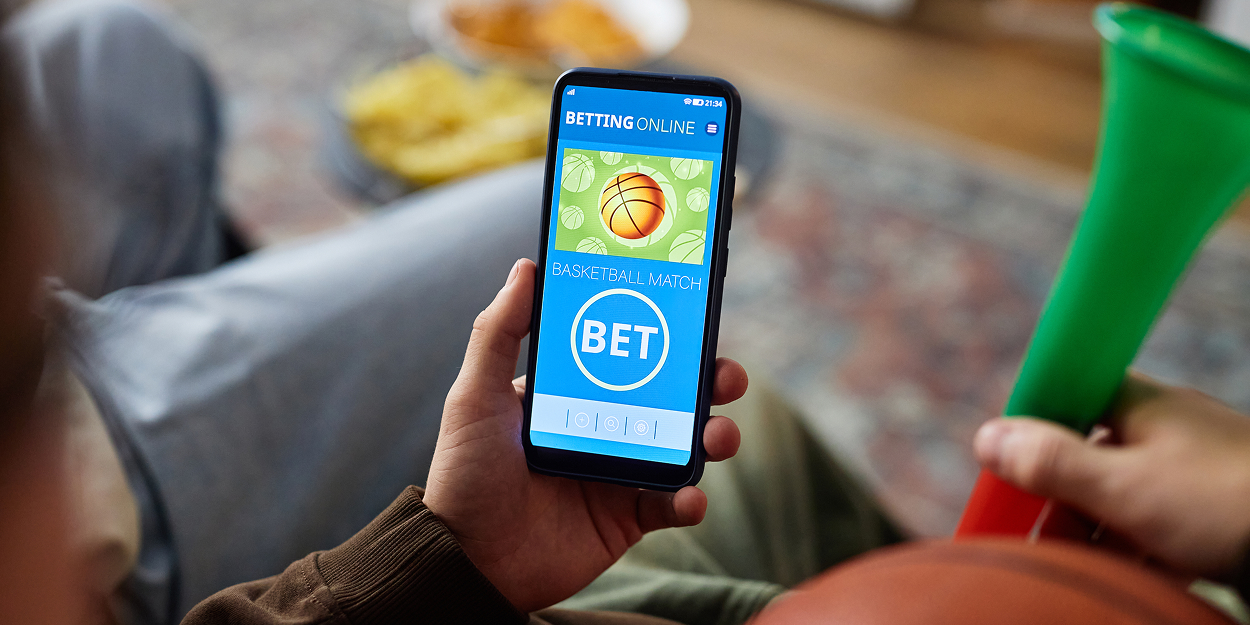
Today, 40 U.S. states have legalized sports betting. With that, a flood of ads—both physical (e.g., bus stops, billboards) and on television/online (e.g., social media, streaming services)—is portraying these activities as harmless and fun.
Ads are featuring pro athletes that many youths look to as role models—like Lebron James, Kevin Durant, and David “Big Papi” Ortiz—as spokespeople. And as social media apps and other websites use algorithms tailored to participant interests, youth who show any interest in sports betting are being heavily exposed to the ads.
With major media companies entering the sports betting industry (think ESPN with ESPN BET), the lines between sports journalism and sports betting promotion are being blurred. As sports scores tickers scroll across the bottom of the screen during games, scores and betting odds roll alongside. In addition, commentary from favorite sportscasters segues quickly into segments sponsored by sports betting platforms where pundits talk about who will cover the point spread.
The message is clear to young people: Betting makes watching sports more exciting. Betting and watching sports go hand in hand.
As a lifelong sports fan, a dad, and someone who works in youth health promotion, this is particularly concerning to me. Advertising plays a powerful role in young people’s thinking and lives. Beyond question, the messages are changing the thinking of young people watching tournaments and constantly checking ESPN.
Youth and young adults’ brains and impulse control continue to develop into their 20s. This makes them one of the populations at higher risk for problem sports betting. Simultaneously, we know from other prevention fields that as community norms become favorable to risky behaviors, perception of harm decreases and increases the likelihood of people engaging in that behavior.
What can we do now to address this concerning and rapidly growing public health issue?
As in all aspects of healthy development, parents and caregivers are key. Just like many parents now have “the talk” about substance abuse to inform and protect their children, they can also talk about underage gambling and set clear expectations as they would with any risky behavior.
It is not too young to have this discussion when a child is in middle school. Research shows that problem gambling can begin as early as age 10. We know that children and teens are at higher risk for problem gambling if their parents gamble, so parents can be vital role models. There is no shame in betting on a game, but if you choose to do so your kid doesn’t need to know about it.
Limiting access is also important. Caregivers and older siblings can make sure underage family members don’t have access to their smart devices. If they do have access, they could place bets under older relations’ accounts. Along these lines, betting platforms can help a great deal by instituting more secure age verification processes, such as facial recognition, and policy makers could pass legislation requiring this of the industry.
Strengthening environmental protection plays an important role. Some communities have enacted local policies limiting or banning alcohol, tobacco, or cannabis advertisements in areas where children are present and spend time. They have also limited alcohol sponsorships of community events that are popular with families and young people, or placed limitations on the percentage of store window space devoted to advertising. The same policies could be enacted to help limit sports betting advertisements to reduce youth exposure and help prevent underage sports betting.
Finally, “on the other side of the bet,” it’s important to protect student-athletes—at all ages and stages—from being harassed by bettors. Schools, colleges, communities, and legislatures can take a stand against such harassment. At the collegiate level, Venmo and the NCAA just announced they are launching a campaign to combat harassment, and, as a wave of recent media reports suggest, this is a timely and much-needed step.
We need a comprehensive team approach to tackle this pressing public health issue and get ahead of the game in changing community norms around sports betting to protect our young people.